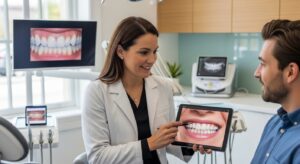
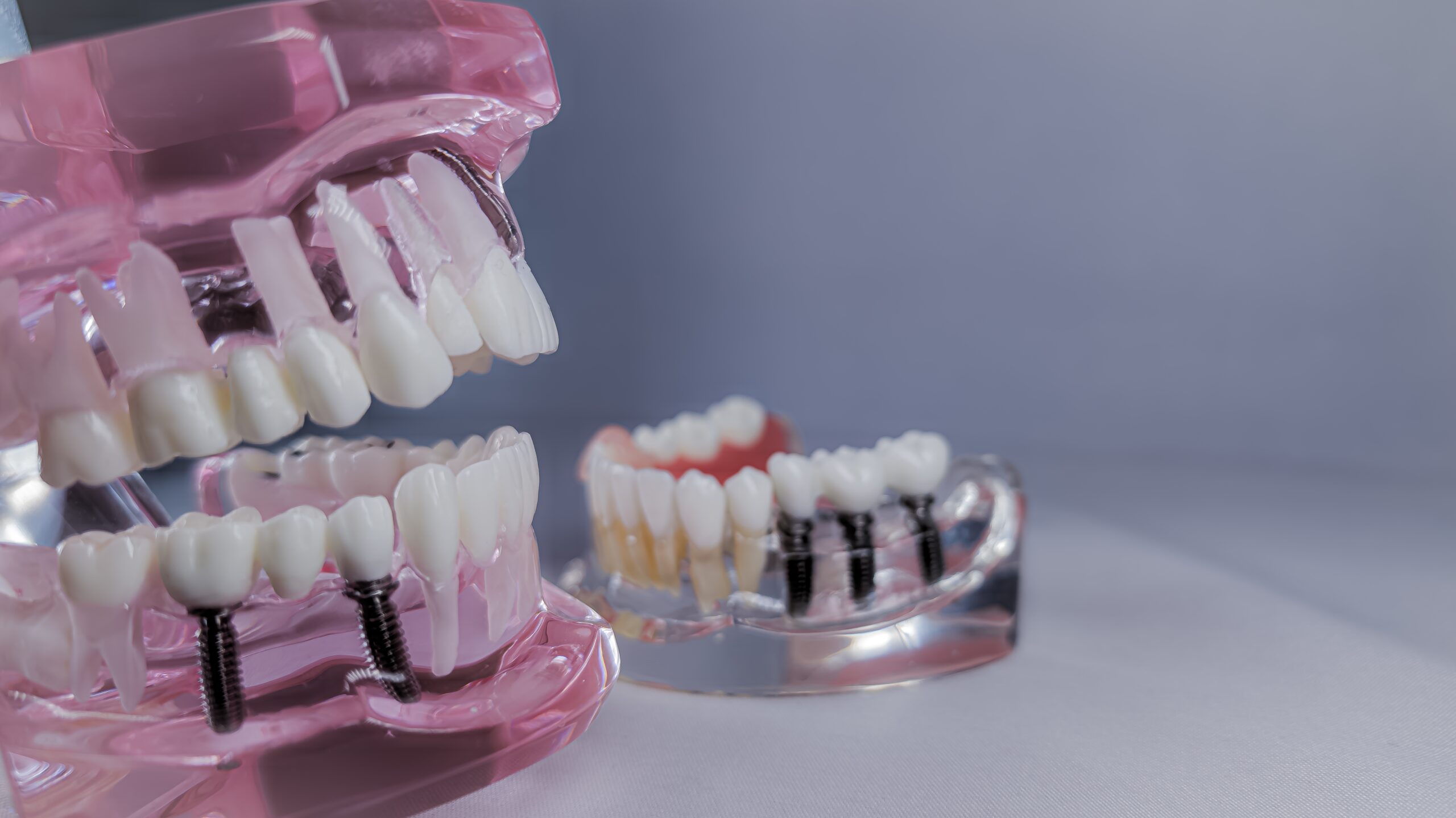
Dental implants are one of the most trusted solutions for replacing missing teeth, but successful implant treatment depends on careful planning. The implant must be placed in the correct position, at the correct angle, and with sufficient surrounding bone to support long-term function.
That is where advanced technology makes a meaningful difference. With 3D dental imaging and guided implant surgery, dentists can plan treatment with greater precision before the procedure begins. For patients, this can mean a more efficient experience, more predictable results, and a restoration that looks, feels, and functions naturally.
At Lee Dental & Facial on the Upper East Side, our team uses advanced dental technology to support personalized implant treatment for patients replacing one tooth, multiple teeth, or a full arch.
What Is 3D Dental Imaging?
3D dental imaging creates a detailed digital view of your teeth, jawbone, nerves, sinuses, and surrounding oral structures. Unlike traditional two-dimensional X-rays, 3D imaging provides a more complete view of your mouth from multiple angles.
This is especially valuable for dental implant treatment because implants are placed in the jawbone. Before surgery, your dentist needs to understand the bone’s height, width, shape, and density. They also need to know the location of important structures, such as nerves and sinus cavities.
With 3D imaging, your dentist can evaluate:
- Jawbone volume and density
- Tooth root positions
- Nerve pathways
- Sinus location
- Bite alignment
- Gum and bone anatomy
- Areas of bone loss
- The best location for implant placement
This information helps create a safer, more accurate, and more customized dental implant plan.
Why Planning Matters for Dental Implants
A dental implant is more than a replacement tooth. It is an artificial tooth root that must support chewing forces, fit the final restoration, and integrate with the jawbone. If the implant is placed in the wrong position, it may affect the appearance, comfort, function, or longevity of the final result.
Implant planning helps determine:
- Where the implant should be placed
- What angle the implant should follow
- Whether there is enough bone
- Whether bone grafting may be needed
- What size implant is appropriate
- How the final crown, bridge, or denture will fit
- How the implant will support the bite
The goal is not just to place an implant. The goal is to place the implant where it can best support a natural-looking, functional restoration.
What Is Guided Implant Surgery?
Guided implant surgery uses digital planning and a custom surgical guide to help place dental implants with precision. After 3D imaging is taken, your dentist can use specialized software to plan the exact position and angle of the implant.
A surgical guide may then be created to fit over the teeth or gums during the procedure. This guide helps direct the implant placement according to the digital treatment plan.
Think of guided implant surgery as a roadmap. Instead of relying only on visual judgment during surgery, your dentist has a carefully planned guide that supports accuracy from start to finish.
How 3D Imaging Improves Dental Implant Results
1. More Precise Implant Placement
3D imaging allows your dentist to see the jawbone in detail before the procedure. This helps identify the best implant position based on available bone, nearby anatomy, and the future restoration.
More precise placement can help improve comfort, appearance, bite function, and long-term stability.
2. Better Protection of Important Anatomy
Dental implants must be carefully placed to avoid nerves, sinuses, and neighboring tooth roots. 3D imaging helps your dentist identify these structures before treatment begins.
This additional information supports safer planning and helps reduce the risk of complications.
3. Improved Restoration Design
A dental implant must be placed with the final tooth in mind. If the implant is not positioned properly, the crown or bridge may not look or function as naturally as it should.
With digital implant planning, your dentist can plan backward from the ideal final restoration. This means the implant is positioned to support the shape, size, and alignment of the replacement tooth.
4. Better Evaluation of Bone Health
Not every patient has enough bone for immediate implant placement. Tooth loss, gum disease, trauma, or long-term denture wear can lead to bone loss over time.
3D imaging helps your dentist determine whether the jawbone can support an implant or whether bone grafting may be recommended first. This reduces guesswork and helps create a more predictable treatment plan.
5. More Personalized Treatment
Every month is different. Two patients may both need a dental implant, but their bone structure, bite, gum tissue, and smile goals may be completely different.
3D imaging allows your dentist to customize treatment to your anatomy, helping them choose the best implant size, placement, and restoration approach.
How Guided Surgery Can Improve the Patient Experience
Guided implant surgery is not only helpful for dentists. It can also improve the patient experience by making treatment feel more planned, precise, and efficient.
Potential benefits may include:
- Shorter surgical time in some cases
- More precise implant placement
- Less guesswork during treatment
- A more streamlined procedure
- Better planning for temporary teeth
- Improved confidence before surgery
- More predictable restorative results
While every case is unique, guided surgery can be especially helpful for patients receiving multiple implants, full-arch dental implants, All-on-4 or All-on-6 treatment, or implants in areas with limited bone.
3D Imaging for Single Dental Implants
Even when replacing one tooth, planning matters. A single implant must blend with neighboring teeth, support the bite, and preserve the natural shape of the gumline.
3D imaging helps your dentist evaluate the space where the tooth is missing and determine whether the implant can be placed in the ideal position. This is especially important in visible areas of the smile, where aesthetics are a major priority.
For front teeth, implant placement must account for gum shape, bone thickness, tooth angle, and the final crown design. Digital planning helps support a result that looks natural.
3D Imaging for Full-Mouth Dental Implants
For patients receiving full-mouth dental implants, technology becomes even more important. Treatments such as All-on-4 and All-on-6 require careful planning because multiple implants must work together to support a full arch of replacement teeth.
3D imaging can help determine:
- How many implants are needed
- Where each implant should be placed
- Whether All-on-4 or All-on-6 is more appropriate
- Whether bone grafting is needed
- How the temporary restoration will fit
- How the final bite should be designed
Because full-mouth implant treatment affects chewing, speech, facial support, and smile appearance, precise planning is essential.
Does Guided Implant Surgery Hurt?
Guided implant surgery is designed to improve precision, but patient comfort is still an important part of the process. The treatment area is numbed before implant placement, and sedation options may be discussed depending on your needs and the complexity of your case.
Many patients are surprised that implant treatment is more comfortable than they expected. After the procedure, some soreness, swelling, or tenderness is normal and can usually be managed with aftercare instructions provided by your dental team.
Your dentist will explain what to expect before, during, and after surgery so you feel prepared.
Is Guided Implant Surgery Right for Everyone?
Guided implant surgery can benefit many patients, but the right approach depends on your case. Some straightforward implant procedures may not require a surgical guide, while more complex cases may benefit greatly from guided planning.
Guided surgery may be especially helpful if you:
- Need multiple dental implants
- Are considering All-on-4 or All-on-6
- Have limited jawbone volume
- Have important anatomy near the implant site
- Want a highly planned approach
- Need implants in a visible area of the smile
- Are you replacing teeth as part of a larger smile restoration
During your consultation, your dentist can determine whether 3D imaging and guided implant surgery are recommended for your treatment.
What to Expect During a Technology-Guided Implant Consultation
Your consultation begins with a comprehensive evaluation of your teeth, gums, bite, and jawbone. Digital imaging may be used to create a detailed view of your oral anatomy.
Your dentist will discuss:
- You’re missing teeth or failing teeth
- Your goals for treatment
- Your health history
- Your bone structure
- Whether extractions are needed
- Whether bone grafting may be necessary
- Your restoration options
- Your treatment timeline
From there, a personalized implant plan can be created. This plan may include a single-implant crown, an implant-supported bridge, an implant denture, or a full-arch implant solution.
Why Technology Matters, But Experience Still Counts
Advanced technology is a powerful tool, but it is only one part of successful implant treatment. The dentist’s training, experience, judgment, and attention to detail are just as important.
3D imaging and guided surgery help provide valuable information, but your provider still needs to understand implant positioning, bite design, gum health, facial aesthetics, and long-term maintenance.
At Lee Dental & Facial, dental implant treatment is planned with both technology and personalized care in mind. The goal is to create results that are functional, comfortable, and natural-looking.
Schedule a Dental Implant Consultation in NYC
Dental implant success starts with careful planning. 3D imaging and guided implant surgery help improve precision, protect important anatomy, and support restorations that look and function naturally.
Contact Lee Dental & Facial today to schedule a dental implant consultation on the Upper East Side and learn how advanced implant technology can help restore your smile with confidence.