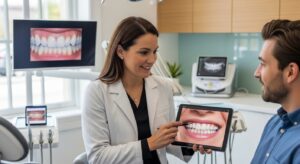
If you want to improve the appearance of your smile, ceramic crowns and porcelain veneers are two of the most popular cosmetic dental options. Both can transform the color, shape, size, and symmetry of teeth. Both can create natural-looking results. But they are not the same treatment, and the right choice depends on the condition of your teeth, your cosmetic goals, and how much tooth structure needs support.
At Lee Dental & Facial on the Upper East Side, our team helps patients understand the differences between ceramic crowns and veneers so they can choose treatment with confidence. Whether you want to repair a damaged tooth, refresh your smile, or plan a complete smile makeover, the first step is to determine which option best fits your needs.
What Are Porcelain Veneers?
Porcelain veneers are thin, custom-made shells that are bonded to the front surfaces of teeth. They are often used to improve the appearance of healthy teeth that are cosmetically imperfect.
Veneers can help correct:
- Stains or discoloration that do not respond well to whitening
- Small chips or worn edges
- Gaps between teeth
- Uneven tooth size or shape
- Teeth that appear too short or narrow
- Mild crowding or spacing
- Smile asymmetry
Because veneers cover mainly the front of the tooth, they are often considered a conservative cosmetic option compared with crowns. They are ideal when the tooth is structurally strong but needs aesthetic enhancement.
What Are Ceramic Crowns?
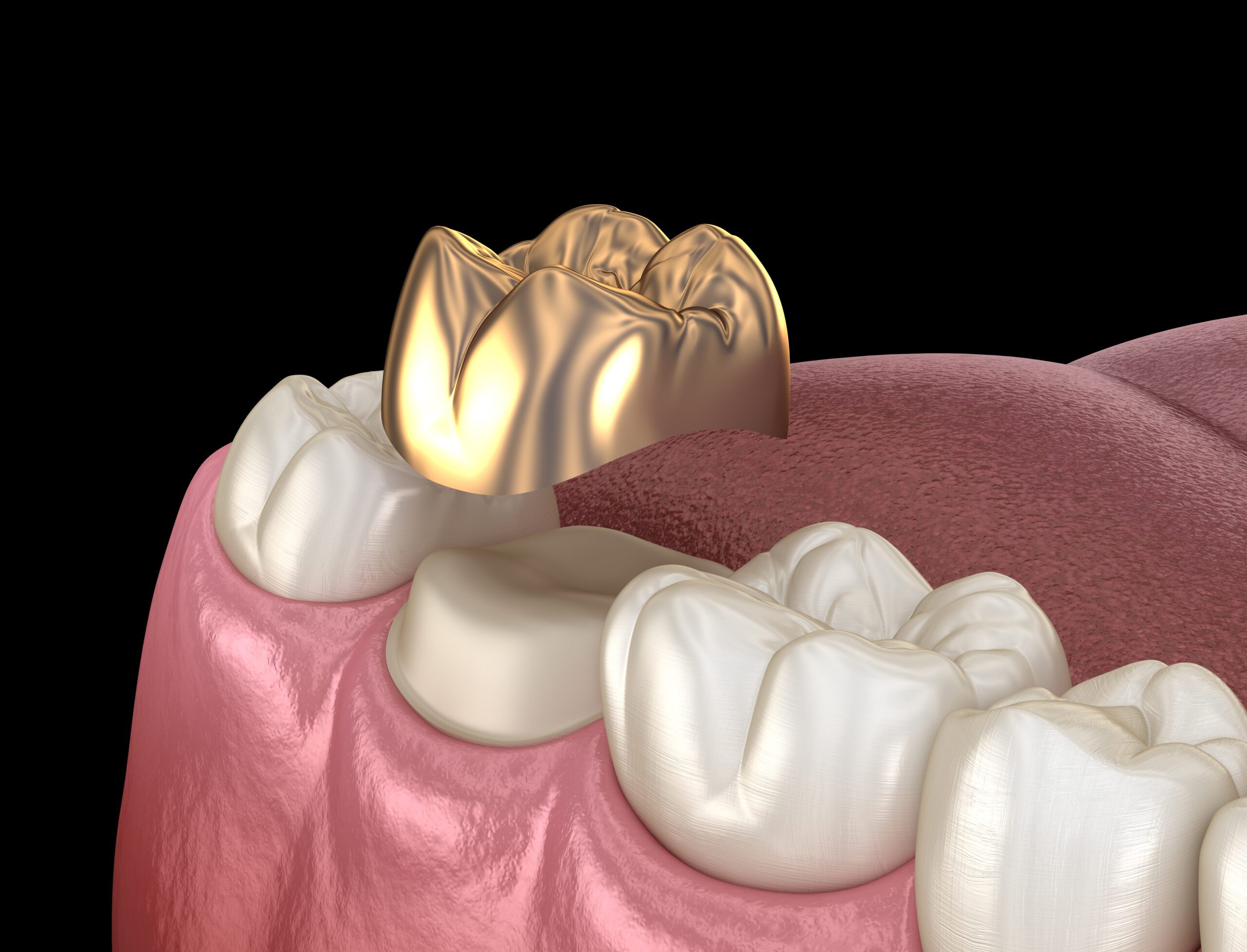
A ceramic crown is a custom restoration that covers the entire visible portion of a tooth. Unlike a veneer, which is bonded to the front surface, a crown wraps around the tooth to provide strength, protection, and cosmetic improvement.
Ceramic crowns may be recommended for teeth that are:
- Cracked or weakened
- Severely worn down
- Damaged by decay
- Heavily filled
- Treated with root canal therapy
- Misshapen or discolored
- Structurally compromised
- In need of both cosmetic and functional support
Modern ceramic crowns are designed to look natural while restoring strength. They can be matched to your surrounding teeth or used as part of a broader smile makeover.
Ceramic Crowns vs. Veneers: The Main Difference
The biggest difference between ceramic crowns and veneers is how much of the tooth they cover.
A veneer covers the front surface of the tooth. A ceramic crown covers the entire tooth above the gumline.
This difference matters because veneers are primarily cosmetic, while crowns are both cosmetic and restorative. If a tooth is healthy and strong, a veneer may be enough to improve its appearance. If a tooth is cracked, weakened, heavily restored, or at risk of further damage, a crown may be the better choice.
When Veneers May Be the Right Choice
Veneers are often recommended for patients who want to improve the appearance of their smile without needing major tooth repair. They are especially helpful for front teeth that are visible when you smile.
You may be a good candidate for veneers if you have:
- Healthy teeth and gums
- Cosmetic concerns rather than structural damage
- Stubborn discoloration
- Small chips or uneven edges
- Minor spacing issues
- Teeth that are slightly misshapen
- A desire for a brighter, more balanced smile
Veneers can create a dramatic smile transformation while, in many cases, preserving more natural tooth structure than crowns.
When Ceramic Crowns May Be the Right Choice
Ceramic crowns are often recommended when a tooth needs more support than a veneer can provide. If the tooth is weak, damaged, or has lost significant structure, a crown can help protect it from further breakdown.
You may need a ceramic crown if you have:
- A cracked tooth
- A large filling that is failing
- Significant tooth wear
- A tooth weakened by decay
- A tooth that has had root canal treatment
- A broken or fractured tooth
- A severely misshapen tooth
- A tooth that needs functional reinforcement
Crowns can also be used cosmetically when veneers are not strong enough or when a tooth needs full coverage to achieve the desired result.
Which Looks More Natural?
Both veneers and ceramic crowns can look beautifully natural when carefully planned and crafted. The final appearance depends on the material, design, tooth preparation, shade selection, and the dentist’s attention to detail.
A natural-looking result should consider:
- Tooth color
- Tooth shape
- Translucency
- Smile symmetry
- Gumline position
- Facial proportions
- Bite alignment
- How the smile looks in motion
At Lee Dental & Facial, cosmetic treatment is designed to complement your features rather than create a one-size-fits-all look. The goal is a smile that appears healthy, balanced, and naturally beautiful.
Are Veneers Less Invasive Than Crowns?
In many cases, yes. Veneers usually require less tooth reshaping than crowns because they cover only the front surface of the tooth. Crowns require more preparation because they cover the entire visible tooth structure.
However, the most conservative option is not always the best option. If a tooth is structurally weak, placing a veneer may not provide enough protection. In that case, a crown may be the healthier long-term choice.
The right treatment should preserve as much natural tooth structure as possible while still protecting the tooth and achieving your cosmetic goals.
Do Crowns or Veneers Last Longer?
Both ceramic crowns and porcelain veneers can last for many years with proper care. Longevity depends on your oral hygiene, bite, habits, material quality, and routine dental visits.
Veneers may last a long time when placed on healthy teeth and protected from excessive forces. Crowns can also provide long-lasting results, especially for teeth that need added strength.
To protect crowns or veneers:
- Brush and floss daily
- Visit your dentist for routine exams and cleanings
- Avoid biting hard objects like ice, pens, or fingernails
- Wear a nightguard if you grind or clench your teeth
- Address chips, cracks, or bite changes early
- Avoid using your teeth as tools
Your dentist can help you understand the maintenance your treatment will require.
Can Crowns and Veneers Be Used Together?
Yes. Many smile makeovers use a combination of crowns and veneers. For example, a patient may need veneers on healthy front teeth and ceramic crowns on cracked, heavily filled, or structurally weaker teeth.
Combining treatments allows the dentist to choose the best solution for each tooth while still creating a cohesive smile. The crowns and veneers can be designed to match in shade, shape, and overall appearance.
This customized approach is often better than using the same treatment for every tooth.
Veneers vs. Crowns for Front Teeth
For front teeth, aesthetics are especially important. Veneers are commonly used on front teeth when the primary concerns are cosmetic, such as color, shape, size, or spacing.
Crowns may be recommended for front teeth when there is significant damage, previous root canal treatment, large fillings, fractures, or severe discoloration that needs full coverage.
If the tooth is healthy, a veneer may be the more conservative cosmetic choice. If the tooth is compromised, a crown may provide the strength needed for long-term success.
Veneers vs. Crowns for Back Teeth
Veneers are usually used on visible front teeth rather than molars. Back teeth handle stronger chewing forces, so crowns are often the better option when those teeth need restoration.
Ceramic crowns can restore strength and appearance for premolars or molars that are cracked, worn, decayed, or heavily filled. They are designed to withstand daily chewing while blending with the rest of your smile.
What About Teeth Whitening First?
If you are considering veneers or crowns, your dentist may recommend whitening your natural teeth first. This is because ceramic restorations do not respond to whitening products after they are placed.
Whitening first allows your dentist to match crowns or veneers to your preferred tooth shade. This is especially helpful if you are only treating a few teeth and want the final result to blend naturally.
How to Decide Between Ceramic Crowns and Veneers
Choosing between ceramic crowns and veneers starts with a comprehensive exam. Your dentist will evaluate your teeth, gums, bite, enamel, existing dental work, and cosmetic goals.
Your dentist may recommend veneers if your teeth are healthy, but you want to improve their appearance. Crowns may be recommended if your teeth need strength, protection, or full-coverage restoration.
The decision may depend on:
- How much natural tooth structure remains
- Whether the tooth is cracked or weakened
- The amount of discoloration
- Your bite and grinding habits
- Your smile goals
- Whether you have existing fillings or crowns
- The location of the tooth
- Your long-term oral health needs
The best cosmetic treatment is the one that improves your smile while supporting the health and function of your teeth.
Schedule a Cosmetic Dentistry Consultation
Ceramic crowns and porcelain veneers can both improve your smile, but they serve different purposes. Veneers are often best for cosmetic changes on healthy teeth, while crowns are better for teeth that need added strength and protection.
Contact Lee Dental & Facial today to schedule a cosmetic dentistry consultation on the Upper East Side and find out whether ceramic crowns, veneers, or a combination of both is right for your smile.