Living with failing, missing, or loose teeth, or with dentures, can affect nearly every part of daily life. Eating becomes limited. Speaking may feel uncomfortable. Smiling in photos can feel stressful. Even simple moments, like sharing a meal or laughing with friends, can become reminders that your teeth do not feel secure.
Full-mouth dental implants offer a modern solution for patients who want a fixed, stable, and natural-looking alternative to removable dentures. Options such as All-on-4 and All-on-6 dental implants can replace an entire arch of teeth with implant-supported restorations designed to restore function, comfort, and confidence.
At Lee Dental & Facial on the Upper East Side, our team helps patients explore full-mouth implant solutions with personalized care, advanced planning, and a focus on long-term oral health.
What Are Full-Mouth Dental Implants?
Full-mouth dental implants are used to replace most or all teeth in the upper, lower, or both jaws. Instead of relying on a removable denture that rests on the gums, full-mouth implant restorations are anchored to dental implants placed in the jawbone.
These implants act like artificial tooth roots. Once they integrate with the bone, they create a strong foundation for a fixed bridge or full-arch prosthesis.
Full-mouth dental implants may be recommended for patients who:
- Are missing most or all of their teeth
- Have severely damaged or failing teeth
- Wear loose or uncomfortable dentures
- Struggle to chew with removable dentures
- Want a more permanent tooth replacement option
- Have advanced tooth loss affecting confidence and quality of life
- Want a smile that feels stable, functional, and natural
Depending on your needs, your dentist may recommend All-on-4, All-on-6, or another implant-supported treatment plan.
What Is All-on-4?
All-on-4 is a full-arch dental implant solution that uses four strategically placed implants to support a complete set of replacement teeth. The implants are positioned to maximize stability, and the back implants may be angled to make use of available bone.
This approach can be especially helpful for patients who have experienced bone loss and want to avoid more extensive grafting when possible. Because the restoration is fixed to implants, it offers greater stability than traditional removable dentures.
All-on-4 can be used for the upper arch, lower arch, or both arches, depending on the patient’s needs.
What Is All-on-6?
All-on-6 is similar to All-on-4, but it uses six dental implants to support a full arch of replacement teeth. The additional implants can provide more support and distribute biting forces across a broader foundation.
For some patients, All-on-6 may be recommended when there is enough healthy bone and the dentist determines that additional implants could improve strength, stability, or long-term support.
All-on-6 may be especially beneficial for patients with strong bite forces, adequate jawbone volume, or more complex full-mouth reconstruction needs.
All-on-4 vs. All-on-6: What Is the Difference?
Both All-on-4 and All-on-6 are designed to replace a full arch of teeth with a fixed implant-supported restoration. The main difference is the number of implants used.
All-on-4 uses four implants per arch. All-on-6 uses six implants per arch.
That difference may affect treatment planning, implant distribution, cost, healing, and long-term support. However, more implants are not automatically better for every patient. The right approach depends on your anatomy, bone structure, oral health, bite, smile goals, and treatment priorities.
Your dentist may consider:
- Jawbone density and volume
- Location of available bone
- Bite strength
- Upper vs. lower arch needs
- Existing dentures or failing teeth
- Gum health
- Medical history
- Budget and timeline
- Long-term maintenance goals
The best way to compare All-on-4 and All-on-6 is through a comprehensive implant consultation with digital imaging and a personalized treatment plan.
How Full-Mouth Dental Implants Restore Chewing Function
One of the biggest frustrations with missing teeth or traditional dentures is the loss of chewing ability. Patients may avoid foods they once enjoyed, such as steak, apples, crusty bread, nuts, or raw vegetables. Loose dentures can shift while eating, making meals uncomfortable or embarrassing.
Full-mouth dental implants help restore chewing function by anchoring replacement teeth to the jawbone. This added stability can make biting and chewing feel more secure.
With implant-supported teeth, patients often experience:
- Better chewing strength
- Greater comfort during meals
- Less movement than removable dentures
- More confidence eating in public
- A wider range of food choices
- Improved bite stability
While every patient’s results vary, full-mouth dental implants are designed to help patients return to a more normal, comfortable way of eating.
How Full-Mouth Implants Improve Confidence
Tooth loss can affect emotional well-being as much as physical function. Many patients become hesitant to smile, speak, laugh, or eat around others. Some worry that dentures may slip or click. Others feel that missing teeth makes them look older than they feel.
All-on-4 and All-on-6 dental implants can help restore confidence by creating a fixed, natural-looking smile. The restoration is designed to complement your facial features, lip support, bite, and smile line.
Patients often report feeling more comfortable:
- Smiling in photos
- Speaking during meetings or social events
- Eating with family and friends
- Laughing without hesitation
- Going without denture adhesives
- Living without constantly thinking about their teeth
A secure smile can make daily life feel easier, more natural, and more enjoyable.
Full-Mouth Implants vs. Traditional Dentures
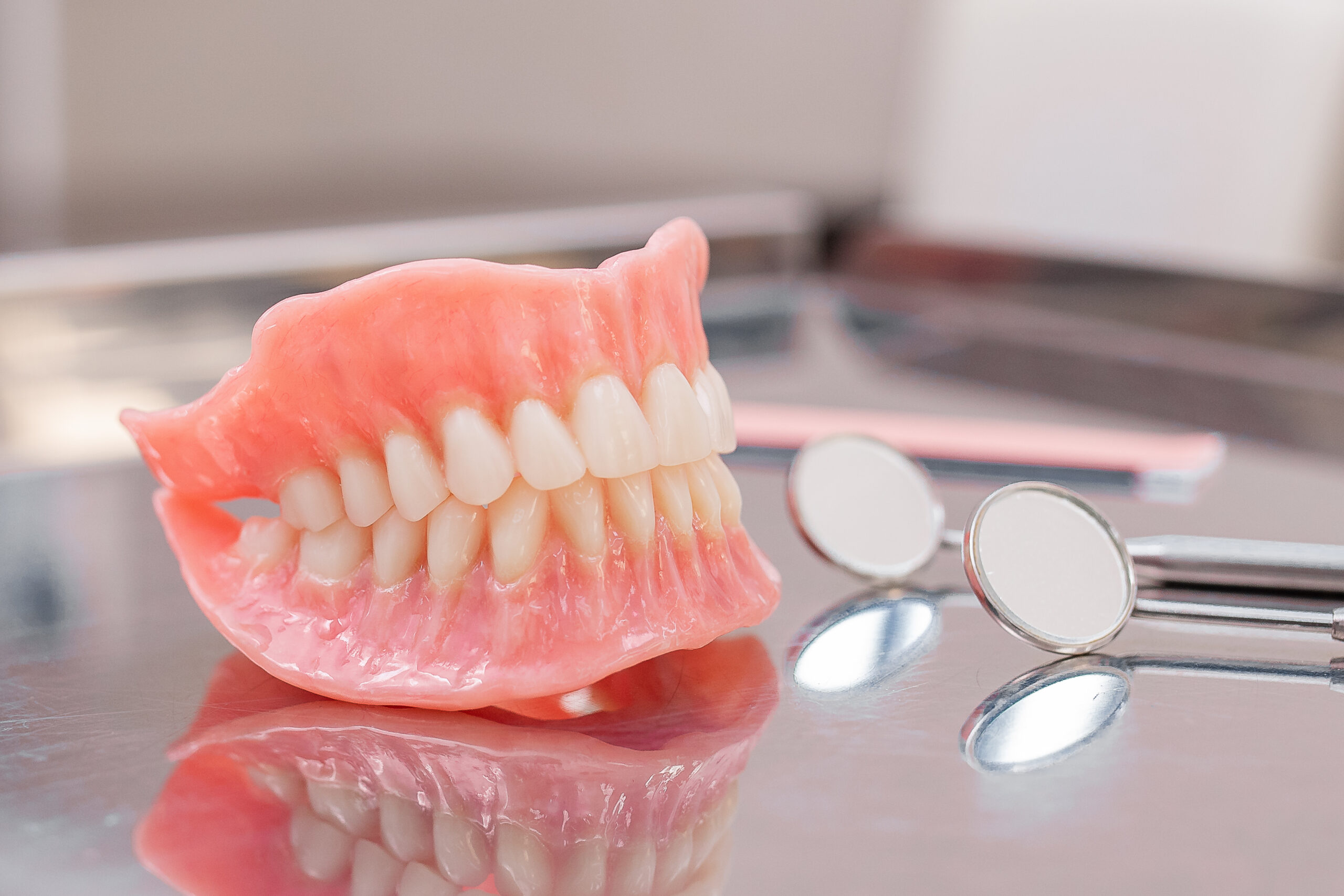
Traditional dentures can replace missing teeth, but they do not replace the tooth roots. Because they rest on the gums, they may shift, rub, or feel unstable. Over time, jawbone changes can affect denture fit, requiring adjustments or replacements.
Full-mouth dental implants differ because the restorations are supported by implants in the jawbone. This can provide a more stable foundation and help preserve jawbone stimulation.
Compared with traditional dentures, full-mouth implants may offer:
- A fixed solution that does not need to be removed nightly
- Improved chewing power
- Better stability while speaking
- Less gum irritation
- No need for denture adhesives
- A more natural feel
- Support for facial structure
For many patients, implant-supported teeth feel like a major upgrade in comfort and quality of life.
Who Is a Candidate for All-on-4 or All-on-6?
You may be a candidate for full-mouth dental implants if you are missing most or all of your teeth, have failing teeth, or are unhappy with removable dentures.
Good candidates generally have:
- Adequate jawbone support or a plan to address bone loss
- Healthy gums or treated gum disease
- Good overall health for oral surgery
- A commitment to daily cleaning and maintenance
- Realistic expectations about treatment and healing
- A desire for a fixed, long-term tooth replacement solution
Certain factors, such as uncontrolled diabetes, smoking, active gum disease, or specific medical conditions, may affect implant candidacy. These concerns do not always rule out treatment, but they do need careful review.
Even if you were previously told you are not a candidate for dental implants, modern imaging and full-arch implant techniques may offer new possibilities.
What to Expect During the Full-Mouth Implant Process
Full-mouth dental implant treatment is highly personalized. The exact process depends on whether you are replacing one arch or both arches, whether teeth need to be removed, and whether you need additional procedures.
1. Consultation and Exam
Your treatment begins with a comprehensive consultation. Your dentist will evaluate your teeth, gums, jawbone, bite, facial structure, and smile goals. Digital imaging may be used to assess bone volume and plan implant placement.
This visit is also the time to discuss your concerns, timeline, budget, and desired outcome.
2. Treatment Planning
Your dentist will determine whether All-on-4, All-on-6, or another implant option is best for your needs. Your plan may include extractions, bone grafting, temporary teeth, implant placement, and final restoration design.
The goal is to create a plan that supports function, aesthetics, comfort, and long-term stability.
3. Implant Placement
During the procedure, dental implants are placed in precise positions in the jawbone. Depending on your case, any remaining failing teeth may be removed during the same appointment.
In many full-arch cases, a temporary restoration may be attached so you do not have to go without teeth while healing. Your dentist will explain what type of temporary teeth are appropriate for your situation.
4. Healing and Integration
After placement, the implants need time to fuse with the jawbone through a process called osseointegration. This healing period is essential because it creates the strong foundation needed to support your final restoration.
During healing, you will follow specific instructions about diet, cleaning, and follow-up visits.
5. Final Restoration
Once your implants have integrated and your mouth has healed, your final restoration is created and attached. This full-arch prosthesis is designed to fit your bite, support your facial structure, and create a natural-looking smile.
Do Full-Mouth Dental Implants Look Natural?
Yes, full-mouth implant restorations are designed to look natural and complement your face. Your final teeth can be customized by shape, size, shade, and proportions.
A well-planned full-mouth implant restoration considers:
- Tooth color
- Smile width
- Tooth length
- Gumline appearance
- Lip support
- Facial shape
- Bite alignment
- Speech and chewing function
The goal is not just to replace missing teeth. It is to design a smile that looks balanced, feels comfortable, and supports your overall appearance.
How Do You Care for All-on-4 or All-on-6 Implants?
Full-mouth dental implants require daily care and professional maintenance. Although the restorations cannot decay like natural teeth, the gums and supporting bone still need to stay healthy.
Your dentist may recommend:
- Brushing twice daily
- Cleaning under the restoration as instructed
- Using a water flosser or special implant cleaning tools
- Attending regular dental checkups
- Scheduling professional cleanings
- Wearing a nightguard if you grind your teeth
- Avoiding tobacco products
Routine maintenance helps protect the implants, gums, bite, and restoration over time.
How Long Do Full-Mouth Dental Implants Last?
Dental implants are designed as a long-term solution. With proper care, the implant posts can last for many years. The full-arch restoration attached to the implants may eventually need maintenance, repair, or replacement due to normal wear.
The longevity of your results depends on factors such as oral hygiene, gum health, bite forces, medical conditions, lifestyle habits, and routine dental care.
Patients who follow maintenance recommendations and keep regular dental visits are more likely to enjoy lasting function and stability.
Are Full-Mouth Dental Implants Worth It?
For many patients, full-mouth dental implants are worth considering because they can improve daily comfort, chewing ability, appearance, and confidence. While they are often a larger investment than traditional dentures, they offer benefits that removable appliances cannot always provide.
Full-mouth implants may be especially worthwhile if you:
- Avoid foods because of missing teeth or dentures
- Feel embarrassed by loose dentures
- Want a fixed solution
- Have multiple failing teeth
- Want a more natural-looking smile
- Value long-term function and stability
A consultation can help you understand your options and decide whether All-on-4, All-on-6, or another implant solution is right for you.
Schedule a Full-Mouth Dental Implant Consultation
Missing or failing teeth do not have to control what you eat, how you speak, or how confident you feel. Full-mouth dental implants can restore stability, function, and a natural-looking smile through solutions such as All-on-4 and All-on-6.
Contact Lee Dental & Facial today to schedule a full-mouth dental implant consultation on the Upper East Side and take the first step toward restoring your smile, comfort, and confidence.